
I’m Jeremiah, and I learned All of this the hard way.
Most success stories start at the end.
They tell you about the company that worked, the growth that compounded, the life that finally looks put together.
What they rarely tell you about is the cost—and the preparation that came first.
I didn’t start out confident, polished, or destined for success.
I started out underestimated, overwhelmed, and quietly convinced that maybe I just wasn’t cut out for success.
I grew up with very little materially, but with parents who gave me everything they had—faith, humility, and a deep love for people. School didn’t go well for me. I struggled academically, failed classes, went to summer school more than once, and graduated with a GPA that made it clear I wasn’t “college material.” I dropped out of a small, local community college after two semesters.
At one point, my dream was to become a robotics engineer at Georgia Tech. Teachers and counselors told me plainly that it wasn’t realistic. My math scores weren’t good enough. My track record wasn’t strong enough.
Eventually, I let that dream go.
Not because I stopped wanting more—but because I didn’t know how to get there.
So I chased whatever opportunity was in front of me.
The grind years
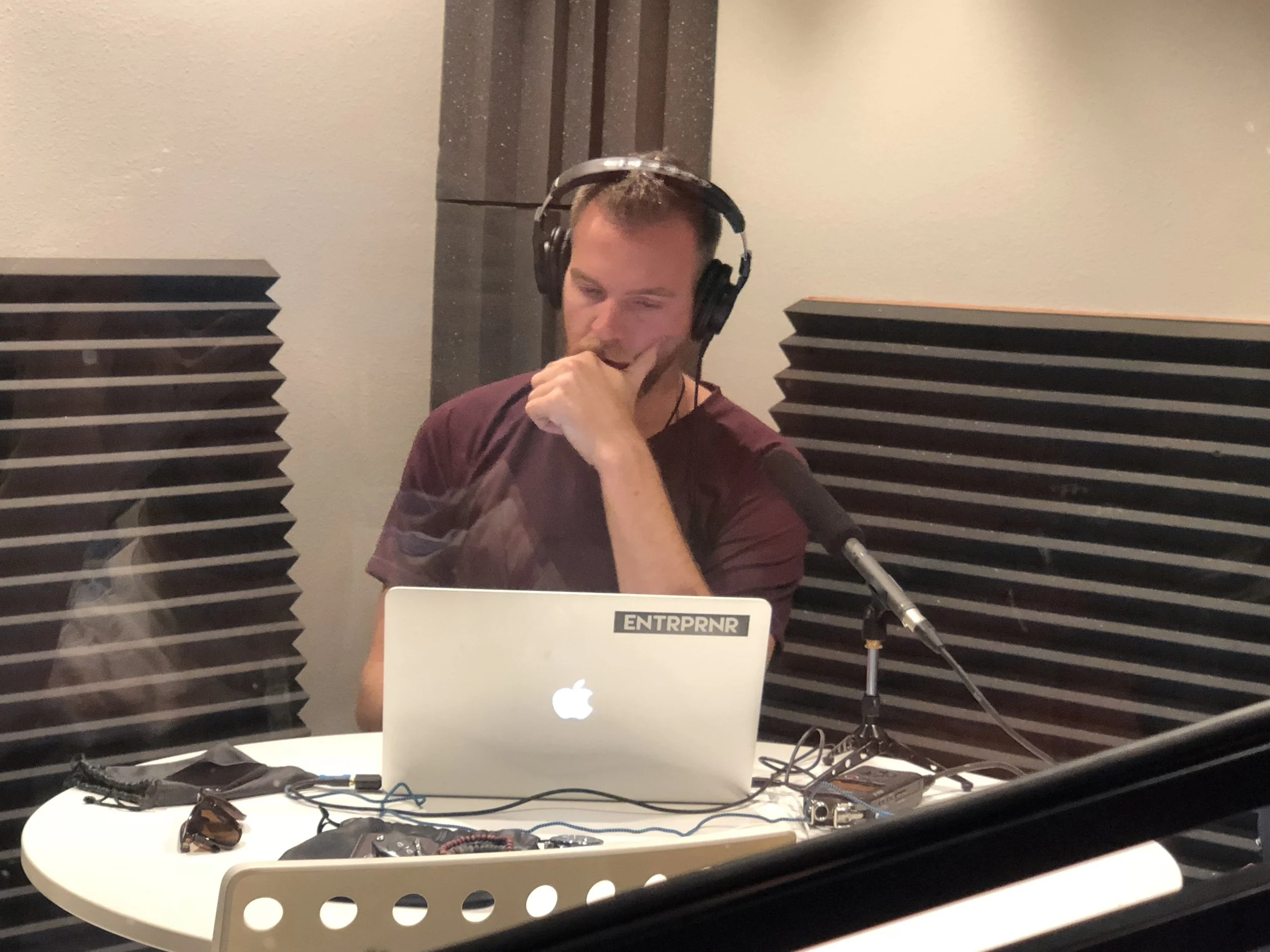
I started my agency SimpleTiger while riding a moped to work, working nights and weekends just to keep the lights on. I eventually sold the moped for a cheap car that overheated in Atlanta traffic and left me stranded. I bought my first new car with terrible credit, no money down, and an interest rate that made no sense—because I needed a way forward.
I worked at a major marketing agency in Atlanta (360i). I learned from incredible people. I got laid off—twice. Once during the 2008 financial crisis. Again, from a smaller marketing agency after a major client left.
Each time, it felt like confirmation of the quiet fear I carried with me:
“Maybe they were right about me.”
In 2009, after my second layoff, I decided to go all-in on my own agency and I never looked back.
I worked 100-hour weeks. I slept very little. I met clients wherever they would meet me—coffee shops, lunch breaks, late nights. I was terrified of not making rent. Terrified of failing the people who depended on me. Terrified of proving every label I’d ever been given was true.
That fear drove me—and it nearly broke me.
My physical health deteriorated. I gained weight. I ate poorly. I didn’t exercise. I had no mental clarity. I wasn’t praying. My faith drifted. My relationship with my girlfriend was unhealthy and eventually ended after seven years.
The stress got so bad that I clenched my teeth at night until two of them cracked. I needed oral surgery. My body was telling me something my mind refused to hear.
I was succeeding—but at a cost I couldn’t sustain.
The turning point
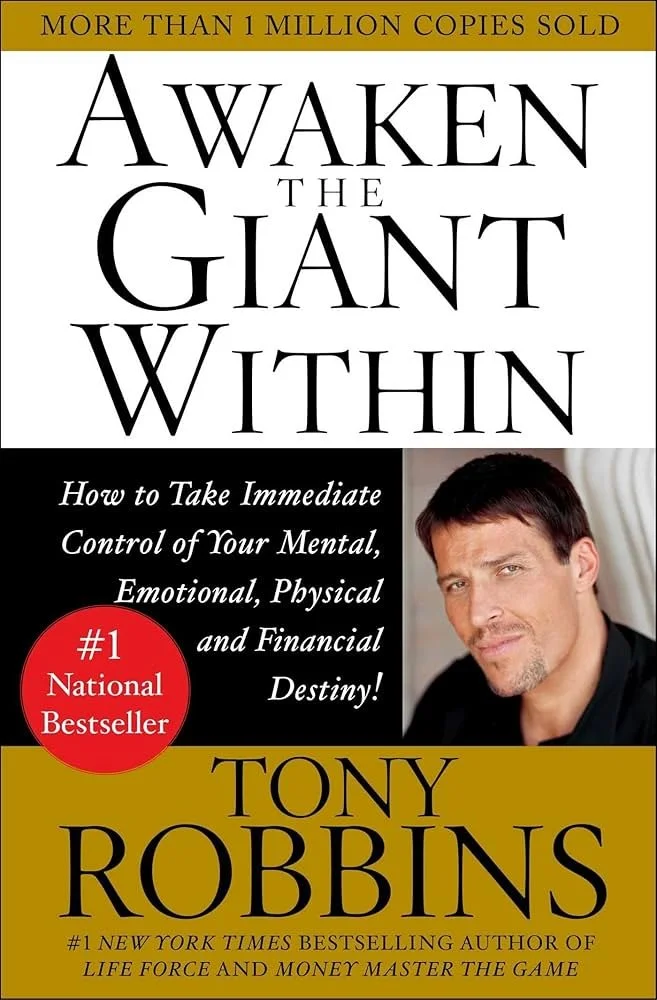
One night, sitting on the bathroom floor so I wouldn’t wake anyone up, I picked up a book my father had given me years earlier. “Awaken The Giant Within” by Tony Robbins.
I read quietly.
And I prayed.
I asked God to help me understand why I felt this way—and how I could help other people avoid what I was going through.
That moment didn’t fix everything.
But it changed the direction of my life.
I realized I didn’t want success for its own sake.
I wanted to help people navigate self-doubt, leadership, discipline, faith, work, and purpose—without destroying themselves in the process.
Around that time, I also began challenging how I thought about work and success. For the first time, I saw that:
Work is a tool, not an identity
Effort is not the same as value
Freedom matters
Worth is not defined by outcomes
I didn’t stop working hard—but I stopped believing I had to work myself to death to deserve progress.
what changed

As I continued building, something unexpected happened.
After years of learning my craft deeply—painfully—things started to click. Results came with less effort. Mastery replaced chaos. Systems replaced suffering.
And I realized something important:
I was never incapable.
I just didn’t know what to do yet.
That realization changed how I built companies.
And eventually, how I worked with people.
I began hiring. Teaching. Delegating. Making decisions with clarity instead of fear. I stopped measuring progress by exhaustion.
More importantly, my faith began to rebuild. Leaning into Jesus Christ didn’t remove hardship—but it gave it meaning. It reordered my priorities. It reminded me that I was a steward, not an owner, of my mind, my body, my family, my work, and my influence.
Quiet redemption
Years later, something unexpected happened.
I was invited to serve as a marketing consultant at an Economic Development Conference hosted by Georgia Tech. Over a hundred business owners attended. The room was filled with round tables, each staffed by specialists. I sat at one of them, representing search engine optimization.
For hours, I explained how search engines work—how they crawl the web, how structure and intent matter, how small businesses could compete intelligently instead of spending money they didn’t have.
At one point, I referenced a technical file called robots.txt—a directive that tells automated crawlers how to navigate and interact with a website.
And in the middle of explaining it, something struck me.
In a strange and humbling twist of fate, I was teaching a form of robotics engineering at the very same university I was once told I would never be able to attend.
Not as a student.
Not with credentials.
But as a teacher.
The dream I once let go of—the one I was told I wasn’t capable of—hadn’t disappeared. It had been rerouted.
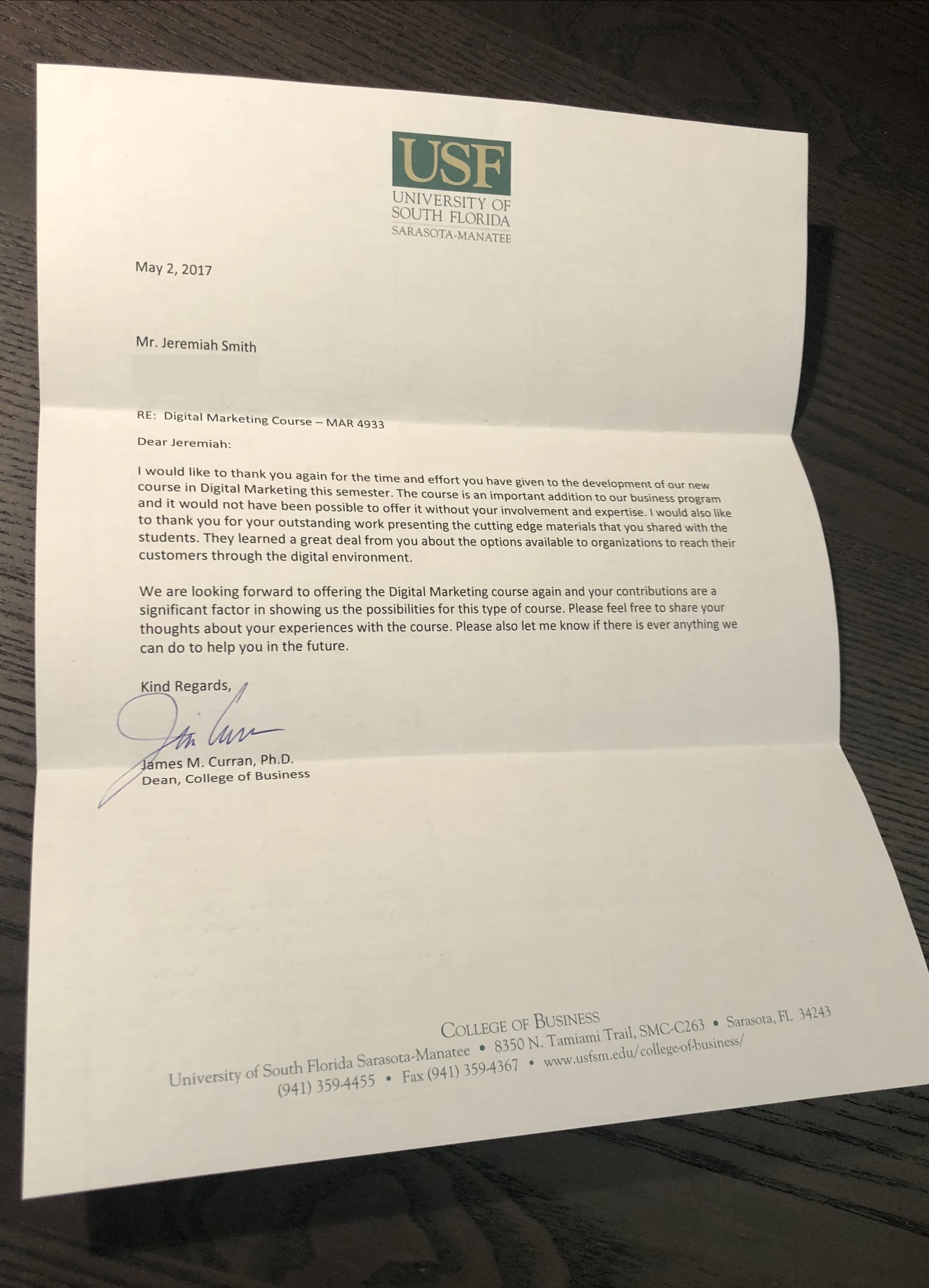
Later, I was invited to teach an SEO course as an honorary guest lecturer at the University of South Florida. I stood in front of college students and taught a subject I had learned entirely on my own. I was later sent a letter from the Dean of Business thanking me for teaching his class.
No degree.
No formal education.
Just years of preparation.
That’s when it fully clicked for me:
God doesn’t always fulfill dreams the way we expect.
Sometimes He fulfills them in ways that require us to become the person first.
I didn’t become a robotics engineer.
I became someone who teaches complex systems to people who need them.
And that was never a downgrade.
Why build people?
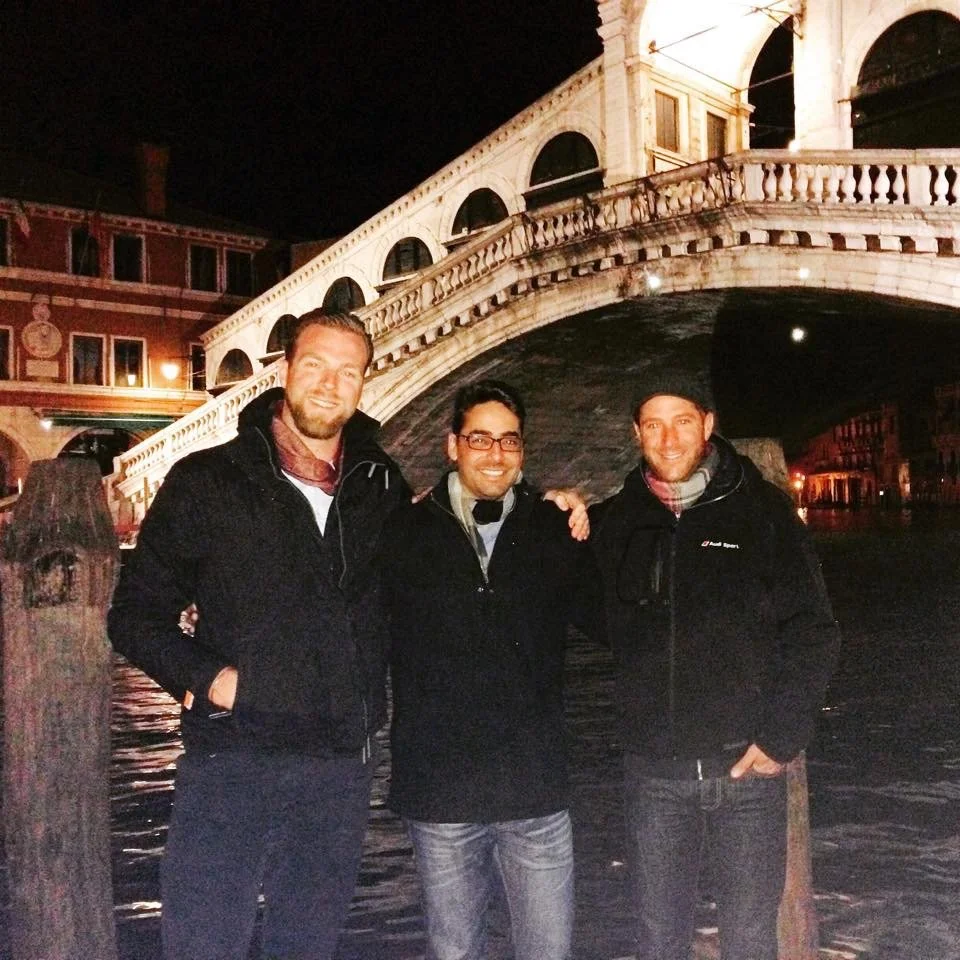
Over time, I built multiple companies across marketing, software, and investing.
But here’s what I learned:
Anyone can build a company.
Building people is far harder—and far more important.
People are fragile and resilient at the same time. One conversation, one insight, one moment of belief can change the trajectory of an entire life.
I know that because people did that for me.
Mentors. Managers. Pastors. Business owners. Agency leaders. Friends. People who owed me nothing—but took a chance on me anyway.
My life’s purpose is a response to that gift.
Building people.
The life i protect
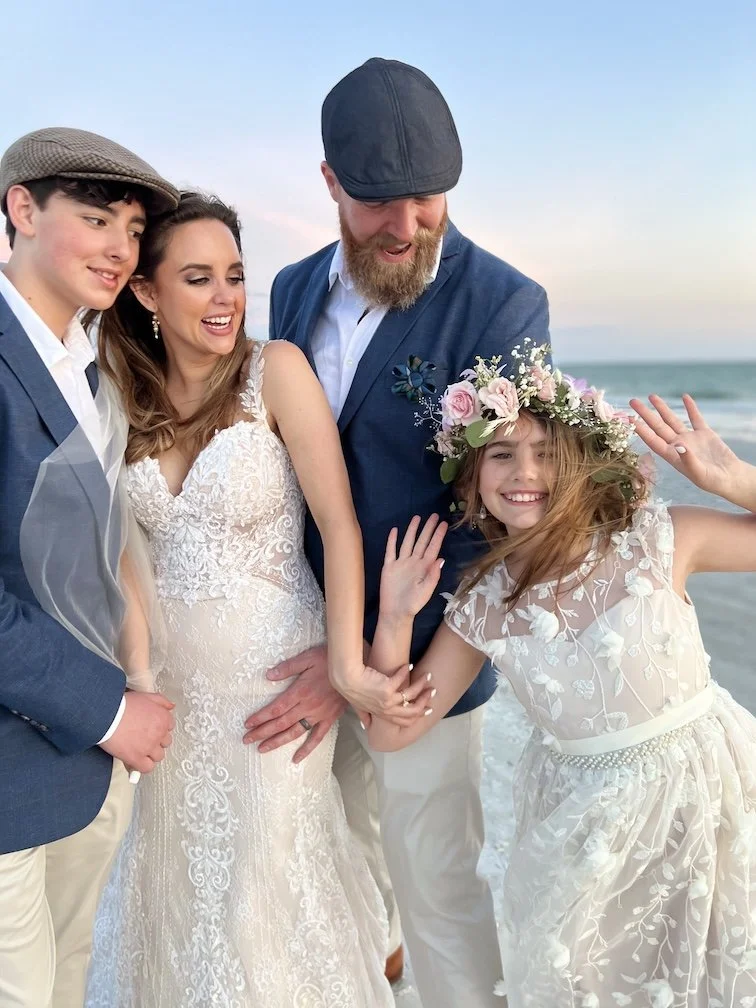
A well-built life isn’t maximized.
It’s aligned.
For me, everything starts with faith. My relationship with Jesus Christ informs how I care for my family, how I lead, how I work, and how I serve others.
Success without meaning is empty.
Achievement without purpose just leads to more summits—and loneliness at the top.
I’m not interested in that.
I’m interested in building a life—and helping others build lives—that can be lived with integrity, peace, and endurance.
If You’re Reading This
If you’re in the thick of building something—
A business. A career. A relationship. A life.
And you’re tired, uncertain, or quietly wondering if you’re cut out for this…
You’re no different than me.
You’re not alone.
And this is likely just the beginning of your story.
You weren’t broken
I’d love to connect with you and learn about your journey, and where you’re headed. I’d especially like to know if I can help you get there.
However you engage, I hope you’re reminded of this:
You were never broken.
You were being built.
Let’s Build
Let me know what you’re working on, and we’ll see what we can build together.